

Luxury Design Trends for 2026: Warmth, Craftsmanship & Timeless West Coast Living
Luxury design in 2026 is less about trend cycles and more about how a home feels to live in. Across Southern California’s most desirable properties — from Rancho Santa Fe estates to coastal Del Mar residences — interiors are being shaped by a shared philosophy: warmth over starkness, craftsmanship over novelty, and spaces designed to age gracefully.
Rather than chasing what’s new, today’s luxury buyers are gravitating toward homes that feel intentional, layered, and deeply livable. The following design principles define how high-end homes are being designed, renovated, and positioned in 2026 — and why they resonate so strongly in luxury real estate.
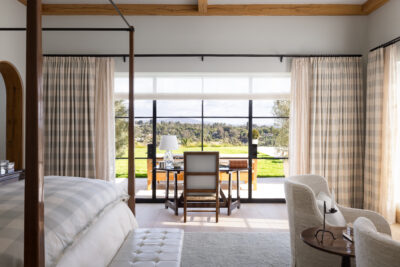

Quiet Neutrals, Done Properly
Neutral palettes remain foundational in luxury homes, but in 2026 they are noticeably warmer, softer, and more dimensional.
Cold whites and flat finishes are giving way to nuanced tones — plaster whites, limestone, pale mushroom, and refined greige — layered to create depth without contrast. These interiors feel calm and elevated, allowing architecture, light, and materials to lead.
Defining elements
-
Hand-troweled plaster and limewash walls
-
Honed limestone and natural stone flooring
-
Light to mid-tone oak with visible grain
-
Tonal layering rather than stark contrast
This approach is especially prevalent in custom estates, where design is meant to feel effortless rather than overtly styled.
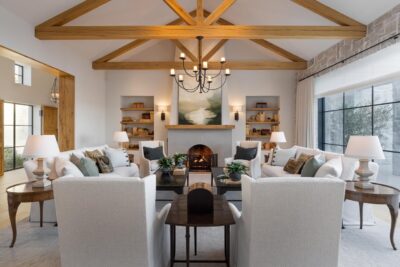
Organic Greens Inspired by the Landscape
Nature-inspired greens continue to influence luxury interiors in 2026, but always with restraint.
Muted sage, olive, and eucalyptus tones are being used selectively — often in cabinetry, built-ins, or accent rooms — grounding interiors without overpowering them. Paired with warm stone, unlacquered brass, and natural wood, these hues feel timeless and serene.
Why this palette endures
-
It connects the home to its natural surroundings
-
It introduces color without dating the space
-
It complements both traditional and modern architecture
This trend feels especially at home in Southern California, where indoor-outdoor living and a connection to nature are central to the lifestyle.
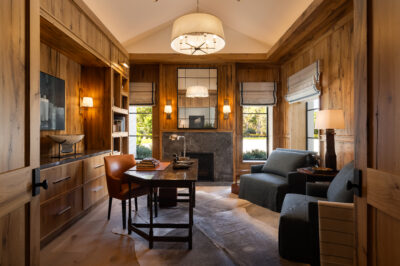

Warm Browns & Natural Wood Tones Return
In 2026, brown is no longer avoided — it’s embraced thoughtfully.
Walnut, chestnut, and espresso tones are reappearing in millwork, studies, dining rooms, and intimate gathering spaces. When balanced with warm whites and natural light, these interiors feel grounded, established, and quietly luxurious.
Common applications
-
Custom libraries and home offices
-
Paneled dining rooms
-
Wine rooms and private lounges
These spaces communicate permanence and craftsmanship — qualities that resonate deeply with luxury buyers seeking homes that feel rooted rather than trendy.
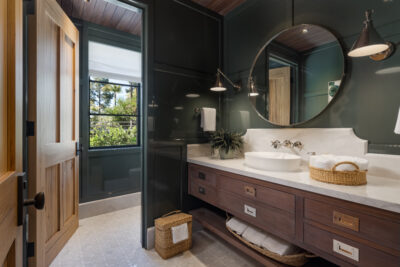
Subtle Contrast Through Muted Depth
Rather than bold statements, luxury interiors in 2026 rely on controlled contrast.
Deep navy, inky blue, or soft plum tones are reserved for moments that matter — powder rooms, formal sitting rooms, or statement bedrooms. Used sparingly, these hues add richness and emotion without disrupting the overall calm of the home.
Design principle
In high-end homes, contrast is intentional. It enhances the experience of a space without demanding attention.
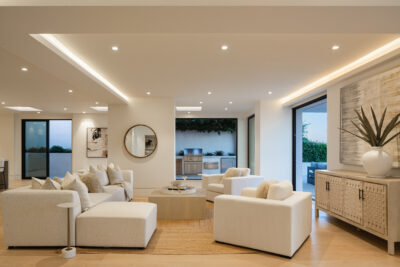
Warm Whites for Coastal Living
White interiors remain highly desirable, particularly in coastal markets, but the execution has evolved.
Warm whites — ivory, bone, and soft cream — layered with texture and natural materials replace stark, gallery-style finishes. The result is spaces that feel bright yet grounded, refined yet relaxed.
Key details
-
Linen drapery and woven textures
-
Soft stone and plaster finishes
-
Natural wood accents that add warmth
This approach complements ocean-adjacent homes beautifully, enhancing light while maintaining depth and comfort.
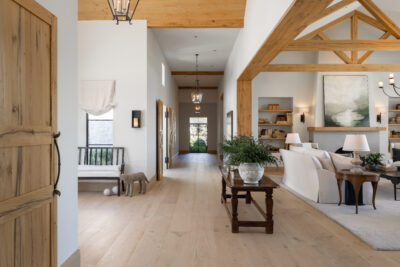
Material-First Design: The True Definition of Luxury
Perhaps the most defining shift in 2026 luxury design is the emphasis on materials over color.
The most compelling homes are distinguished not by bold palettes, but by what they are made of. Plaster walls, travertine floors, bespoke millwork, and handcrafted elements create interiors that feel authentic and enduring.
Materials shaping luxury homes
-
Limewash, plaster, and tadelakt
-
Travertine, limestone, and marble
-
Pale oak and reclaimed wood
-
Handcrafted ceramics and textiles
These details elevate a home in ways trends cannot — and signal long-term value to discerning buyers.
Why These Design Choices Matter in Luxury Real Estate
These design choices reflect how the most desirable homes are being built and renovated today — with longevity, comfort, and quality in mind.
In luxury markets, timeless design supports lasting value.
Final Thought
The defining luxury design trends of 2026 point to a simple truth:
The most desirable homes are those that feel warm, intentional, and deeply livable.
Design rooted in craftsmanship, restraint, and natural materials doesn’t follow trends — it quietly outlasts them.
If you need recommendations on who to use for your design work, please reach out and we would be happy to recommend you to one of our trusted design vendors based on your needs.